

Characteristics
Exposure
Bloom Colors
Deer resistant
Lawn Replacement or Groundcover
Groundcover Foot-Traffic Tolerances
Foliage Color
Soil Moisture Preference
Grass Season
Attributes
Flowering Months
Species
Common Name
- Spacing :
- 12
- -
- 18
- in
Native Status
USDA Hardiness Zone
- Height :
- 6
- -
- 12
- in
- Spread :
- 12
- -
- 18
- in
FIRST IMPRESSIONS: Carex appalachica is a weeping perennial sedge that grows in dense flowing mounds. Leaves are deep green and very fine textured. The narrow thread-like foliage seems to capture light and movement. This sedge thrives in dry woods or moisture challenged shade gardens.
HABITAT & HARDINESS: Carex appalachica is native to North America from Ontario and Quebec and south from Maine to Georgia and west to Tennessee and Kentucky.
Plants are indigenous to dry or mesic deciduous or evergreen-deciduous forests. They occur in clearings, wooded slopes and shaded rock outcrops. This sedge is often found growing under hemlocks or in dry high spots in maple, oak and beech forests. Hardy from USDA Zones 3-7.
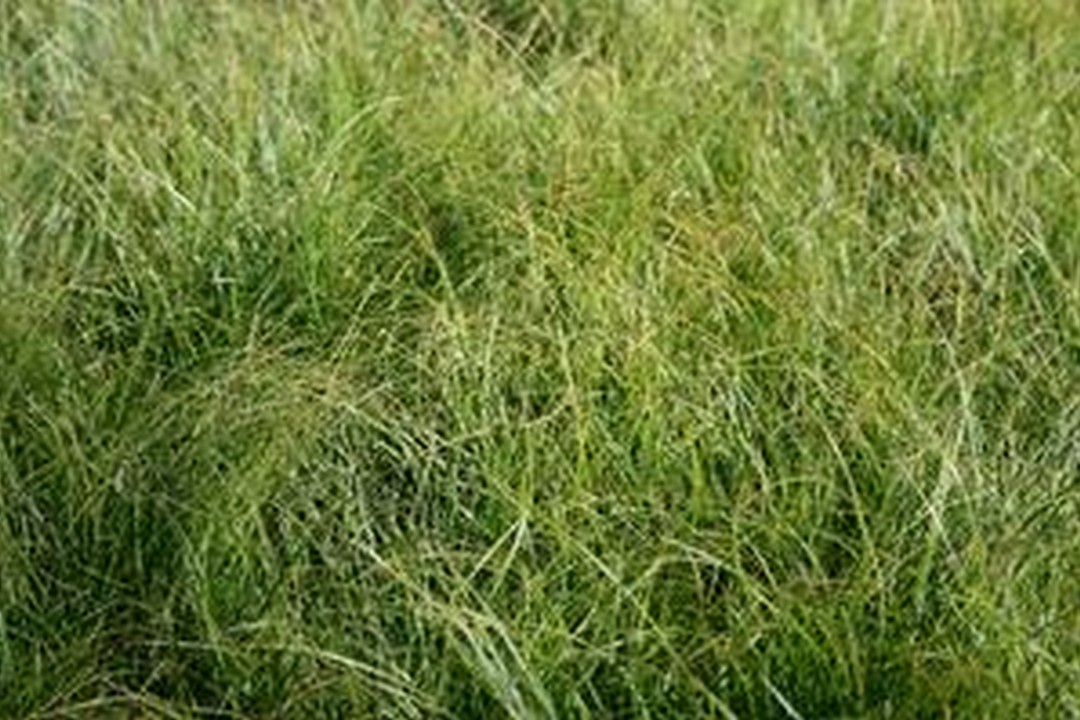
PLANT DESCRIPTION: Carex appalachica is a clump forming perennial sedge with narrow grass-like arching leaves. Plants spread slowly and gradually form colonies.
Leaves are typically 12” to 18” long and less than 1/8” wide. The foliage mound height reaches only around 6-12″ as the blades dramatically arch and drape on the ground.
This sedge is a textural phenomenon. Many other sedges prosper in shade but most have stiffer wider leaves. This one has very attractive hair-like foliage that flows and moves like water.
In late spring a few flower spikes are scattered on culms held above the foliage. The flowers are inconspicuous and wispy. They provide nectar to native insects and seed to native birds.
Plants typically stand around 6”-12″ tall with a 12”-18” spread.
CULTURAL & MAINTENANCE NEEDS: Plants are particularly valuable for their ability to flourish in difficult dry shaded sites. Carex appalachica flourishes in average to dry conditions; tolerating well drained slopes and tree root zones. A good solution for sandy, rock or poor soils. It may be harder to establish in hot southern climates with high nighttime temperatures.
Like most sedges, this one is pest resistant and unpalatable to deer and other herbivores.
Plants may be cut to the ground in late winter.
LANDSCAPE USES: Carex appalachica is a useful Groundcover or Lawn Substitute for a Shade Garden. This sedge can find a niche as an Edging, in a Container or as an Accent. Plants provide Erosion Control and are appropriate as a Butterfly Host Plant, for Deer Resistant Plantings, Water Wise Landscapes, Rock Gardens, Low Maintenance Plantings and Perennial Borders. This sedge could be planted in a Grouping or Mass as a great native substitute for the popular Asian groundcovers Liriope muscari and Ophiopogon japonicus.
COMPANION & UNDERSTUDY PLANTS: For a winning combination, combine this sedge with Aquilegia canadensis, Erigeron pulchellus var pulchellus ‘Lynnhaven Carpet, Aster divaricatus, Aster macrophyllus, Iris cristata and Solidago flexicaulis.
Carex albicans is similar in appearance and cultural needs and can be substituted if needed. This would be a particularly good substitution in warmer zones because Carex albicans is reported to be more heat tolerant than Carex appalachica.
TRIVIA: Over 1500 species of Carex spp. grow in a variety of habitats (often moist to wet areas) throughout the world. Identification of individual species can be very difficult. The plant must be in bloom and generally a magnifying glass is needed.
The shade tolerant Carex spp. are said to grow well in difficult sites under black walnut trees.
Plants host Skipper and Satyr caterpillars and produce seeds that are eaten by turtles.