


Characteristics
Exposure
Bloom Colors
Deer resistant
Season of Interest (Foliage)
Growth Rate
Foliage Color
Soil Moisture Preference
Juglans nigra Tolerance (Black Walnut)
Attracts Wildlife
Attributes
Flowering Months
Species
Common Name
- Spacing :
- 1
- -
- 2
- ft
USDA Hardiness Zone
- Height :
- 2
- ft
- Spread :
- 1
- -
- 2
- ft
SYNONYM: Packera anonyma
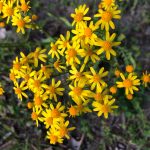
First impression: Senecio smallii is a charming and resilient addition to your designs featuring golden blooms and lush greenery. Also known as the Small’s Ragwort, this perennial gem boasts heart-shaped leaves that form dense, low mats, creating a delightful ground cover. In early to mid-spring, Packera anonyma graces your landscape with an abundance of cheerful yellow flowers, reminiscent of sunshine, which not only brightens your outdoor space but also attracts pollinators like bees and butterflies. Its adaptability to various soil types and moisture conditions makes it a versatile choice for both sunny and partially shaded areas.
Habitat & Hardiness: Senecio smallii is found in the central and eastern United States in woodland and open settings, dry open woodlands, serpentine barrens, woodland edges and shaded slopes. This species is hardy in USDA Zones 6-9
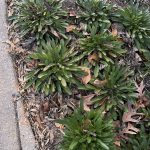
Plant Description: Senecio smallii, commonly known as Small’s Ragwort, is a herbaceous perennial plant native to eastern North America. This woodland gem is characterized by a low, spreading growth habit, forming dense mats of heart-shaped leaves that create an appealing ground cover. The leaves are dark green, often with a slightly toothed margin, providing a lush and textural backdrop in shaded areas. The foliage is typically semi-evergreen, maintaining its presence through the winter months in milder climates.
One of the most charming features of Senecio smallii is its delicate and cheerful flowers. In early to mid-spring, the plant produces clusters of bright yellow, daisy-like flowers with prominent yellow discs in the center. Each flower head is composed of numerous ray florets, creating an attractive and eye-catching display. The flowers not only add a burst of color to the woodland landscape but also serve as a valuable nectar source, attracting pollinators such as bees and butterflies.
As a perennial, Senecio smallii is well-adapted to shaded environments, thriving in the dappled sunlight of deciduous woodlands. It prefers mesic to dry-mesic soils and is often found along woodland edges, slopes, and in open wooded areas. The plant’s ability to spread and form dense colonies makes it an excellent choice for ground cover in naturalistic settings. Gardeners seeking a low-maintenance, native perennial with ornamental foliage and vibrant blooms can find a delightful candidate in Packera anonyma, enhancing the beauty of woodland gardens and shaded landscapes.
Cultural & Maintenance Needs: Senecio smallii is a relatively low-maintenance plant that thrives in part to full shade and mesic well-drained soils.
Landscape Uses: Incorporate Senecio smallii into your drought-tolerant and deer-resistant designs as well as you woodland edge gardens, container gardens, rain gardens, rock gardens, shade gardens, woodland gardens and ground cover or green mulch areas. This plant also makes a good addition to butterfly, bird and pollinator gardens. Beneficial Insects; Bird Garden; Butterfly Garden; Container Garden ;Cottage Garden; Cut/Dried Flower Garden; Deer Resistant Plantings; Erosion Control; Groundcover; Hummingbird Garden; Living/Green Mulch; Low Maintenance Gardens; Mass/Group Planting; Native Plant Garden; Naturalizing; Open Woodlands; Perennial Borders; Pollinator Garden; Rain Garden / Stormwater Management; Rock Garden; Shade Garden; Restoration/Conservation.
Ecological Benefits: This species is a host plant for moth species and a variety of bees, butterflies, skippers and beneficial insects find value in the flowers. Most mammalian herbivores avoid this plant.
Companion/Understudy Plants: Try combining Senecio smallii with Heuchera americana ‘Dale’s Strain’; Heuchera villosa; Heuchera villosa ‘Autumn Bride’; Heuchera ‘Palace Purple’; Tiarella cordifolia; Tiarella cordifolia wherryi; Tiarella ‘New Moon Motley’ depending on the design goals and site’s cultural conditions. If Appalachian Groundsel is not available consider Senecio aureus; Sedum ternatum; Phlox stolonifera; or Chrysogonum virgianum ‘Allen Bush’; Chrysogonum virginianum ‘Superstar’ as alternatives depending on design goals and the site’s cultural conditions.