


Characteristics
Exposure
Bloom Colors
Deer resistant
Season of Interest (Foliage)
Growth Rate
Lawn Replacement or Groundcover
Foliage Color
Soil Moisture Preference
Attracts Wildlife
Attributes
Flowering Months
Species
Cultivar
Common Name
- Spacing :
- 12
- in
Native Status
USDA Hardiness Zone
- Height :
- 9
- -
- 18
- in
- Spread :
- 12
- -
- 24
- in
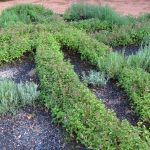
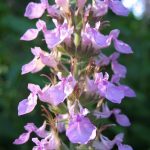
FIRST IMPRESSIONS: Excellent evergreen edging plant, low hedge, or mounding perennial. Minty, fragrant foliage of this sub shrub keeps the deer and rabbits at bay. Flower stems are sturdy with lavender pink flowers spikes in July, which attract butterflies and bumblebees. We are excited to offer the selection Teucrium c. ‘Bluemel’. Generously shared with us from the Kurt Bluemel family, this variety is more uniform than seed grown plants. The dense growth habit makes it perfect for mini hedges and ground cover, alike. The tight upright form aids in maintaining topiary hedges in knot gardens with repeated sheering throughout the growing season.
HABITAT & HARDINESS: Wall Germander, is native to various regions in Europe and western Asia. Its native habitat includes a range of environments within these continents including dry grasslands, rocky slopes, open woodlands and coastal areas.
This species is hardy in USDA Zones 5-9.
PLANT DESCRIPTION: Teucrium chamaedrys, commonly known as Wall Germander, is a charming evergreen subshrub appreciated for its compact growth habit and attractive, aromatic foliage. Belonging to the Lamiaceae family, this low-growing perennial is native to southern Europe and the Mediterranean region.
Wall Germander forms dense mounds of small, dark green leaves that are deeply veined, creating a carpet-like effect. In late spring and early summer, the plant produces clusters of tiny, tubular, pink to lavender flowers, adding a subtle but delightful touch of color. With its adaptability to various soil types and resistance to deer, Wall Germander is often used as a low hedge, ground cover, or edging plant in gardens and landscapes.
CULTURAL & MAINTENANCE NEEDS: Wall Germander thrives in full sun and well-drained, alkaline to neutral soil. This perennial is well-suited to dry, rocky, or poor soils, making it an excellent choice for Mediterranean-style gardens. While it tolerates drought once established, regular watering during dry periods can promote healthier growth and flowering. Pruning Wall Germander in early spring helps maintain its compact form and encourages bushier growth.
The plant is relatively low-maintenance, and its evergreen nature adds year-round interest to the garden. Wall Germander’s resistance to deer browsing enhances its suitability for landscapes where deer may be present. With its versatility and adaptability, Teucrium chamaedrys is a valuable addition to gardens seeking a reliable and visually appealing perennial.
LANDSCAPE USES: Beneficial Insects; Deer Resistant Plantings; Pollinator Garden; Hummingbird Garden; Herb Garden; Groundcover; Butterfly Garden; Container Garden ;Cottage Garden; Cut/Dried Flower Garden; Rock Garden; Germander’s low-growing and spreading habit, along with aromatic, small, glossy green leaves, makes it an excellent choice for edging along garden paths or borders. Germander is well-suited for formal gardens, knot gardens, or parterres, where its dense and evergreen foliage forms neat and well-defined shapes. Its ability to tolerate shearing and shaping makes it an ideal candidate for creating low hedges or topiaries. In addition to its ornamental value, Germander is valued for its drought tolerance and adaptability to poor soils, making it suitable for xeriscape gardens or challenging planting sites. The small, tubular pink to lavender flowers that appear in summer attract pollinators like bees and butterflies, enhancing the overall biodiversity of the garden. Whether used for its formal structure, aromatic foliage, or as a pollinator-friendly ground cover, Teucrium chamaedrys brings both practicality and aesthetic appeal to a variety of garden landscapes.
COMPANION & UNDERSTUDY PLANTS: Try pairing Wall Germander with Asclepias tuberosa; Achillea millefolium; Echinacea purpurea; Liatris spicata; Monarda fistulosa; Salvia nemorosa ‘May Night’; Salvia nemorosa ‘Caradonna’; and Penstemon digitalis; Calamintha nepeta may be a suitable substitute in certain applications.
TRIVIA: Teucrium is derived from the Greek name Teucer, who was the first king of Troy. The Latin word Chamaedrys refers to the foliage, which resembles an English oak. Along with its low growing habit, this translates to ‘ground oak’.